Private Label Oral Care Packaging: Carton, Blister, Kraft or Tube?
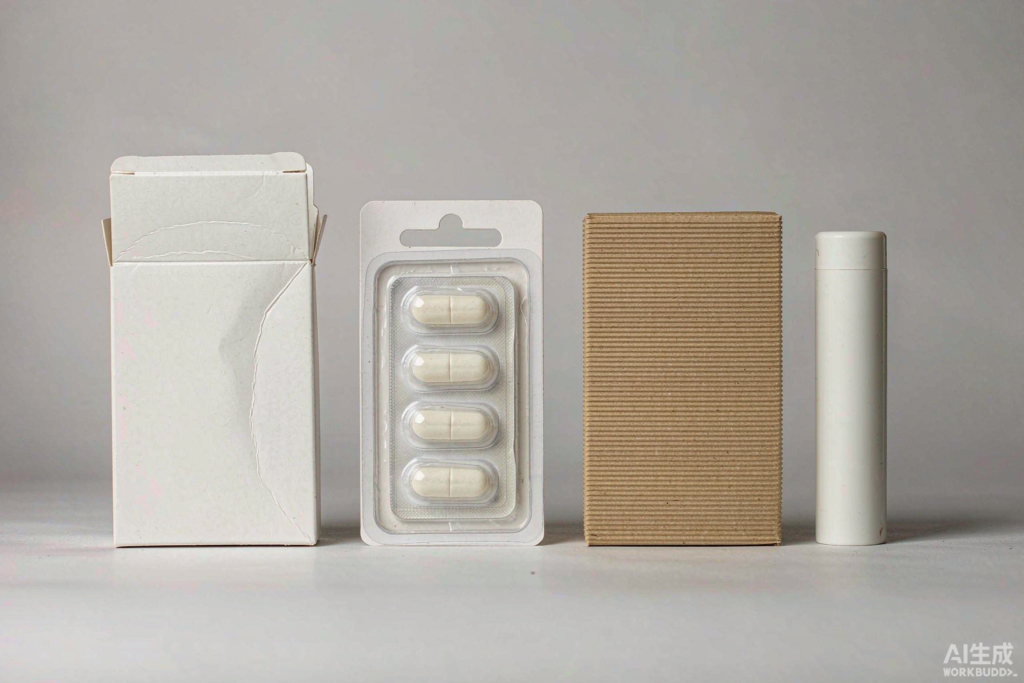
Why Packaging Format Is a Sourcing Decision, Not a Design Afterthought
Most private label oral care buyers pick a packaging format after the product is
locked. That order creates avoidable cost: the format drives printing setup,
carton dimensions, pallet efficiency, damage rate and how much retail labelling
you still add downstream. Decide it in the same conversation as your
sourcing model, not after.
The Four Formats Buyers Actually Shortlist
| Format | Typical use | Buying advantages | Watch-outs |
|---|---|---|---|
| Folding carton | Toothbrushes, floss, kids sets | Best print surface for brand artwork; stacks efficiently | Board grade drives crush resistance in transit |
| Blister card | Peg-hook retail, multipacks | Product is visible on shelf; strong anti-tamper story | Bulky per unit; higher freight volume per sellable |
| Kraft sleeve / box | Eco-positioned lines | Lower material feel-cost; strong sustainability claim | Print colour range is limited versus coated board |
| Tube / canister | Tablets, powders, premium sets | Rigid, gift-ready, reusable by the end user | Most expensive per unit; lowest pallet density |
There is no universally correct answer. Discount retailers and peg-hook
programmes lean blister. Subscription and DTC brands lean carton or kraft.
Gift and hotel-amenity programmes lean tube. Your channel decides before your
aesthetic preference does.
What Each Format Costs You Beyond the Unit Price
Unit price is the number suppliers quote first and the one that matters least.
Ask your supplier to quote the same product in two formats and compare on these
five lines instead:
- Freight density — units per master carton and cartons per pallet. A
format that is marginally cheaper per unit can lose the saving once freight
is billed by volume. - Printing setup — plates, dies and separations are one-time costs that
repeat whenever artwork changes. Fewer colours and a standard die keep
reorders cheap. - Damage and returns — rigid formats protect better on long sea transits;
soft formats need inner support. Damage surfaces as marketplace returns, not
as a supplier invoice. - Market labelling — check panel space for your import labelling against
your export compliance checklist
before approving artwork, or you will add a secondary sticker. - Reorder flexibility — standard dies run on shared slots; custom
structures usually carry a higher minimum and a longer slot.
Shipping into Amazon? The format interacts directly with
FBA prep and labelling.
Any extra polybag or secondary barcode label is a per-unit prep-centre cost.
A Spec Checklist to Send Your Supplier
Send this as a single document rather than a conversation. Ambiguity here is
what causes sample rework:
- Retail channel and whether it is peg-hook, shelf or shipper-owned.
- Units per retail pack and retail packs per master carton.
- Board grade or material specification, plus finishing (matte, gloss, foil, emboss).
- Print method and colour count — confirm who owns the plates.
- Required panel copy and barcode placement for the destination market.
- Whether you need a golden sample before mass-printing the packaging run.
- Target unit cost and how sensitive it is to artwork changes.
Packaging sits inside a wider cost structure, so price the format together with
the product, not in isolation — our
toothbrush unit cost breakdown
shows how the two interact. If your timeline is tight, compare a custom run
against ready-to-ship stock before you
commit to a custom structure.
Frequently Asked Questions
Which packaging format is safest for a first private label order?
A standard folding carton using an existing die. It keeps setup cost low,
artwork revision cheap and reorders fast. Move to a custom structure once
volume justifies the tooling.
Can I change packaging format after the first production run?
Yes, but treat it as a new project: new dies, new plates, new
dimensional data and a fresh round of transit testing. Budget it as a
re-launch, not a tweak.
Does kraft packaging survive sea freight?
It can, with the right board grade and moisture protection. Specify the grade
in writing and request a drop or compression test rather than relying on a
sample photo.
Who owns the printing plates and dies I paid for?
Usually the factory holds them physically, but ownership should be stated in
your agreement. Clarify it before artwork approval so a future supplier change
does not restart your tooling cost.
How early should packaging artwork be frozen?
Freeze artwork only after the product sample is signed off. Packaging printed
ahead of product approval is the most common cause of written-off inventory in
private label oral care.
Next Step
Send us your channel, target market and volume band and we will quote your
product in two packaging formats side by side, with master-carton dimensions
and pallet counts so you can compare landed cost rather than unit price. See
how we run OEM and private label projects,
or email sales@lmsoral.com. For a faster reply, WhatsApp +86 17703320885.
Interested in sourcing oral care products?
Contact us for a free consultation and quote.
Contact Us →