How to Vet an Oral Care Factory in China: A 12-Point Audit Checklist
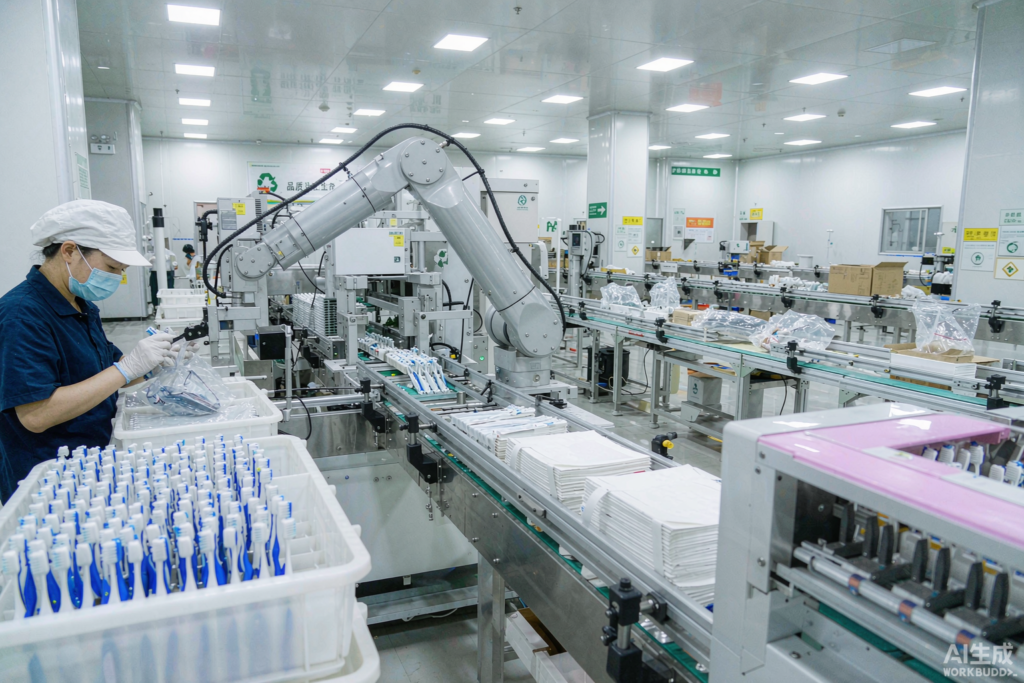
A factory website can look perfect and still ship you inconsistent product.Photos can be borrowed, certificates can be expired, and “we are the manufacturer” can mean a trading desk two provinces away. The only reliable defense is a structured audit.Here is the 12-point checklist we run before any factory enters an approved supplier list.
Why a checklist beats a gut feeling
Most sourcing failures are not dramatic — they are slow: bristle shedding appears in batch three, carton print drifts from your brand color, or the “ISO 13485” certificate turns out to belong to a different legal entity. A written checklist forces evidence, and evidence is what protects your brand.
Capability (points 1–4)
1. Business license and export record
Request the business license and confirm the registered scope covers manufacturing (not just trading). Ask for recent export records to your target market.
2. Production capacity and realistic lead time
Get actual monthly output and current utilization. A factory running at 95% capacity will not prioritize your 500-unit trial — ask what happens when you double the order.
3. MOQ and flexibility
Confirm the true minimum per SKU, per color, and per packaging variant. Low MOQ claims often hide a surcharge; ask for the price at 100, 500, and 1,000 units.
4. Sampling speed
Time from spec to physical sample is a leading indicator of everything else. Seven days is achievable for existing designs; custom tooling takes far longer.
Compliance (points 5–8)
5. Certifications — originals, with scope
Ask for the actual PDFs and check: entity name, expiry date, and product scope. Relevant standards include ISO 13485, GMP, FDA registration, CE/UKCA, and REACH. A certificate covering “plastic household goods” does not cover a toothbrush.
6. Raw material traceability
Where do the filaments, handle resin, bamboo, and tube laminate come from? Request material specs and, for bamboo or eco claims, verifiable sourcing evidence.
7. In-process QC and pre-shipment inspection
Ask for the AQL standard they inspect to and whether you receive a photo and video report before dispatch. No inspection report, no shipment.
8. Testing equipment and lab reports
On-site testing (bristle pull force, tuft retention, abrasion) plus third-party lab reports signal a factory that measures rather than guesses.
Commercial (points 9–12)
9. Packaging capability
Confirm in-house printing, carton specs, and whether artwork is handled internally. Packaging is where most private label brands lose their launch timeline.
10. Documentation package readiness
Can they supply the compliance file set your market needs — CPSR, FDA details, COO, test reports — without a three-week scramble? See our CE vs FDA guide for what to request.
11. Communication and response time
Track response latency during the sampling phase. A supplier who is slow while trying to win your business will be slower once they have your deposit.
12. References and audit history
Ask for two export references and whether the factory has been audited by a third party. Verify what you can.
Red flags that should end the conversation
- Certificates provided only as website logos, never as documents.
- Refusal of a live video walkthrough of the production line.
- Pressure for 100% prepayment before any sample exists.
- An MOQ story that changes between two emails.
- Inability to name the material supplier for the bristles.
How a sourcing partner shortcuts this
Running this audit properly takes weeks of travel and follow-up. Our team maintains direct relationships with 10+ audited factories, performs on-site checks before every shipment, and shares photo and video inspection reports — so you get the evidence without the airfare. If you are comparing paths, our private label toothbrush procurement guide covers the wider sourcing sequence, and our bamboo supplier question list goes deeper on eco materials.
FAQ
Do I need to visit the factory myself?
Not necessarily. A live video audit plus third-party inspection reports covers most risk for small and mid-size orders. Visit once volumes justify it.
What is the single most important document?
A current ISO 13485 or GMP certificate whose legal entity and scope match the product you are buying.
How long does a proper audit take?
Remote vetting with documents and video can be completed in 1–2 weeks; full custom qualification with tooling runs 6–10 weeks.
Can small brands get factories to take them seriously?
Yes — if you present a clear spec, realistic volumes, and a defined timeline. Ambiguity is what gets low-MOQ buyers deprioritized.
Audit first, then order
The cheapest factory is rarely the least expensive partner. Work with vetted oral care manufacturers through our OEM & brand custom service, or start with ready-to-ship products that have already passed inspection. Reach us at sales@lmsoral.com or WhatsApp +86 17703320885 — samples in 7 days, honest feedback in 24 hours.
Written by the LMS Oral supply chain team — your boots on the ground in China’s oral care manufacturing hubs.
Interested in sourcing oral care products?
Contact us for a free consultation and quote.
Contact Us →