Dental Floss Material Types Compared for Private Label Buyers
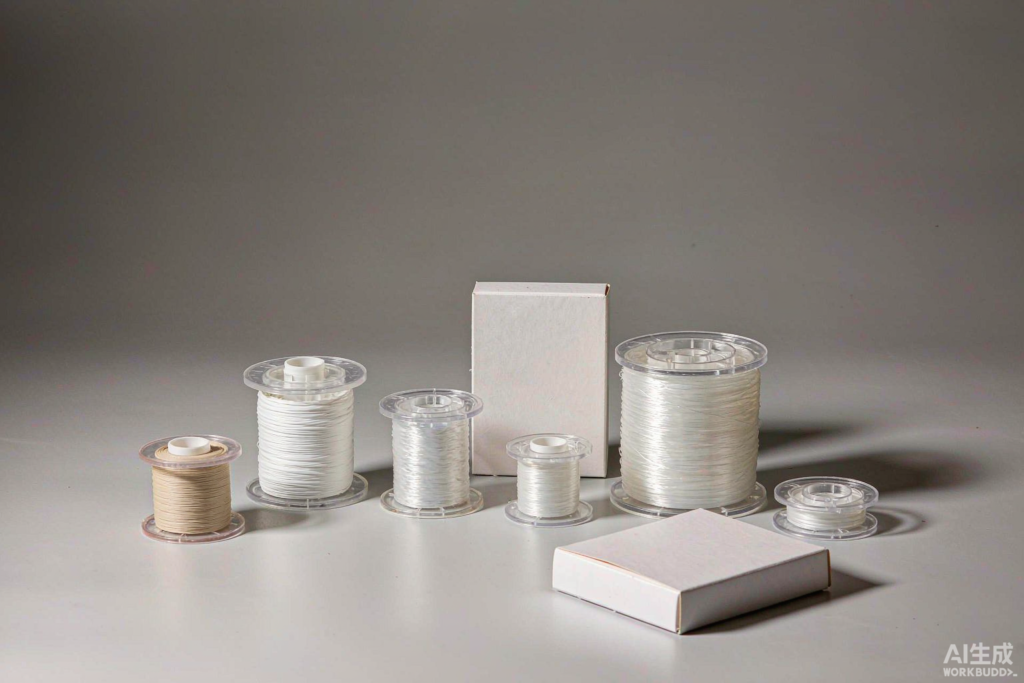
What “Floss Material” Means in an OEM Quote
For a private label buyer, floss material is more than the fiber name. It affects perceived thickness, glide, shred resistance, coating compatibility, color options, and how the product runs through a dispenser. Two suppliers can both quote “nylon floss” while offering noticeably different constructions.
Your RFQ should therefore define the base fiber, monofilament or multifilament construction, coating, flavor, color, finished width or diameter, and dispenser format. If you are still building the wider product specification, use our dental floss private label sourcing guide as the starting point.
Four Common Material Routes Compared
| Material route | Typical construction | Buyer-facing strengths | Points to confirm with the supplier |
|---|---|---|---|
| Nylon | Multifilament | Familiar texture, broad customization options, suitable for wax and flavor systems | Filament consistency, fraying performance, coating pickup, and color repeatability |
| PTFE | Monofilament | Smooth glide and a clean premium feel | Target-market requirements, retailer material policies, supplier declarations, and coating adhesion |
| Polyester | Multifilament | Consistent appearance and a practical option for value or mid-market ranges | Hand feel, shred resistance, flavor compatibility, and finished thickness |
| UHMWPE | Fine braided or multifilament | High-strength positioning and a thin technical profile | Braid specification, fiber verification, coating behavior, and stable supply availability |
No route is automatically “best.” The right private label dental floss material is the one that matches your price tier, claim strategy, target channel, and approved sample. Importers should also confirm current material and labeling requirements in each destination market rather than relying on a supplier’s general export history.
A Buyer Checklist Before Sample Approval
- Define the channel. A pharmacy line, Amazon multipack, dental-clinic giveaway, and premium DTC product may need different tactile and packaging priorities.
- Request coded material samples. Compare options without letting a material name substitute for actual performance.
- Lock the coating system. Specify wax or wax-free construction, flavor, sweetener if applicable, and any ingredient restrictions from your market or retailer.
- Test the complete assembly. Evaluate floss inside the intended dispenser, including cutter function, winding tension, dispensing consistency, and remaining-floss visibility.
- Approve a physical reference. Keep an agreed master sample and connect it to the purchase order. Our golden sample vs PP sample guide explains how to structure this approval step.
- Confirm packaging inputs. Material choice can influence product naming, claims, and artwork. Send the correct files using this private label packaging artwork checklist.
- Document change control. Require written approval before the factory changes fiber source, coating, flavor, color, or dispenser components.
Questions to Put in Your RFQ
Ask the factory to identify the material and construction in writing, not only on a chat thread. Request available sample variants, standard dispenser compatibility, customization boundaries, minimum order conditions, production lead-time assumptions, and the documents available for the chosen materials.
Also ask which attributes are checked during production and before shipment. Useful checkpoints include visual uniformity, winding consistency, cutter performance, dispensing, coating distribution, odor, and comparison against the approved sample. Test methods and acceptance criteria should be agreed for your product and market; avoid copying limits from an unrelated SKU.
If speed matters more than full customization, compare the factory’s existing formats on the ready-to-ship page. For a custom material, coating, dispenser, or retail pack, review the OEM service process.
FAQ for Private Label Buyers
Is PTFE floss always the premium option?
Not automatically. PTFE can support a smooth-glide position, but retailer policies, market expectations, documentation needs, and brand strategy vary. Evaluate it against alternative materials and confirm current destination-market requirements before approval.
Can nylon and polyester use the same dispenser?
Sometimes, but buyers should not assume interchangeability. Finished thickness, winding behavior, coating, and cutter interaction can change how the floss dispenses. Approve the complete assembled product, not the fiber alone.
What should an Amazon or FBA seller prioritize?
Prioritize batch consistency, clear pack configuration, durable retail packaging, stable replenishment, and an approved reference sample. The most marketable material claim is not useful if repeat orders feel different or the dispenser performs inconsistently.
Should the material name appear on the packaging?
That depends on your target market, claim strategy, retailer requirements, and supporting documentation. Align the final wording with the verified specification and obtain appropriate regulatory or legal review where required.
Build a Floss Specification Buyers Can Reorder
LMS Oral helps importers, brand owners, distributors, and Amazon/FBA sellers compare materials, sample complete dispensers, and build repeatable private label specifications. Email sales@lmsoral.com or message WhatsApp +86 17703320885 with your target market, channel, pack format, and preferred material route.
Interested in sourcing oral care products?
Contact us for a free consultation and quote.
Contact Us →