Electric Toothbrush Manufacturer: Battery Compliance and QC Guide (2026)
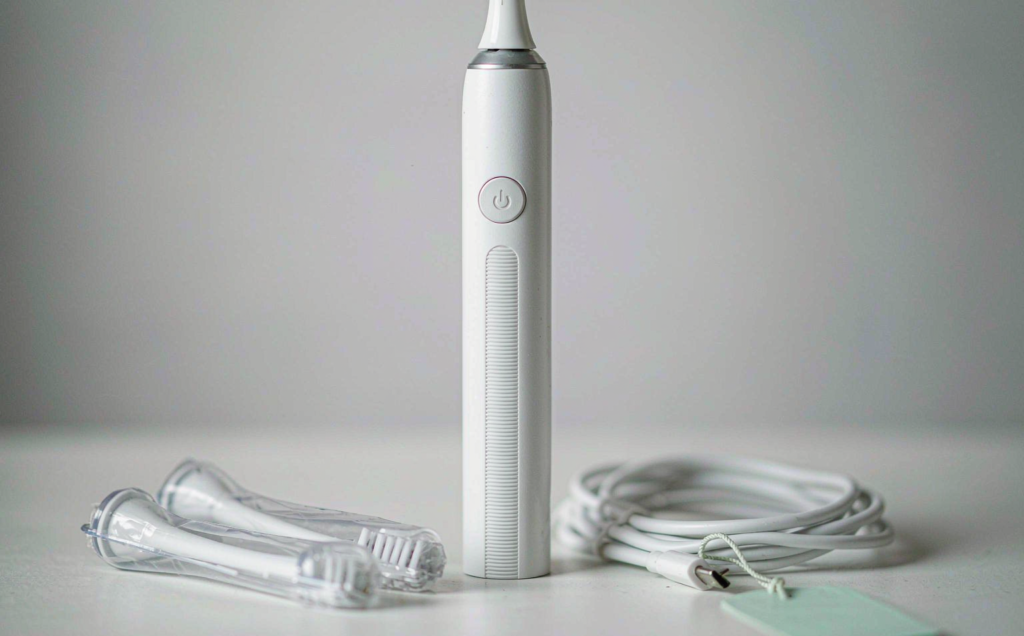
Electric toothbrushes have moved from a premium niche to a core line for most oral care importers, private label brands and Amazon sellers. The commercial logic is attractive: a far higher unit value than a manual brush, a replenishment stream in replacement brush heads, and an upgrade story end customers understand in seconds. But the sourcing logic is where deals go wrong. A sonic toothbrush is not a toothbrush with a motor bolted on — it is a sealed electrical appliance containing a lithium-ion cell, a drive assembly, a charging interface and a wet-environment housing. Each of those four subsystems carries its own compliance file, its own failure mode and its own freight consequence.
Buyers who source it exactly like a plastic-handled brush discover the difference at the worst possible moment — usually when the shipment is already built, or worse, when it is sitting at destination customs without battery paperwork. This guide sets out how an importer should evaluate an electric toothbrush manufacturer: how to pick a buying model, what must appear on the battery and motor spec sheet, which documents to demand by destination market, how to structure QC for an electro-mechanical product, and how to plan freight and after-sales around a lithium cell.
Why Battery Units Need a Different Sourcing Playbook
That distinction is not pedantry. When you add a rechargeable cell to a product, three things change at once.
Regulatory exposure rises. The finished unit now falls under electrical safety and electromagnetic compatibility regimes in most destination markets, on top of whatever material-contact rules already apply to the brush head. Failure modes move. Instead of a bent handle or a tufting defect, you are managing water ingress, cell degradation, charge-controller faults and motor noise — failures that are invisible in a carton and only surface after use. Logistics narrow. The shipment is classified as lithium-ion goods, which restricts carrier and mode options and requires specific transport documentation.
None of these are reasons to avoid the category. They are reasons to qualify an electric toothbrush manufacturer against a different checklist — one where experience with electro-mechanical assembly, not injection molding alone, is the deciding capability. Many excellent toothbrush factories subcontract power units; some cannot immediately tell you who built the cell. Ask directly, and ask early.
Step 1: Choose the Buying Model Before You Compare Prices
Price quotes for electric units are meaningless across different buying models, because the engineering risk sits in a different place in each. Lock your model first.
| Buying model | What you actually change | Tooling investment | Typical MOQ posture | Speed to market |
|---|---|---|---|---|
| Catalog ODM | Logo, colorway within the existing mold, retail packaging, brush-head bundle | None | Lowest | Fastest — often weeks |
| Modified ODM | Handle grip, travel case, charging accessory set, packaging structure | Minimal | Low to moderate | Moderate |
| Full OEM | Custom housing, motor tuning, custom mode sequence, bespoke charging base | Significant, quoted separately | Highest | Longest — includes tooling and validation |
Most first-time brands should launch on a catalog or modified ODM and reserve full OEM for generation two, once the channel has proven demand. A useful middle path for Amazon and DTC sellers is to take a proven mechanical platform and differentiate through accessories — a travel case, a wall-mounted storage base, a multi-head family bundle — which changes perceived value without disturbing the validated electronics inside.
One structural point catches buyers out: the mold and the electronics platform are negotiated separately. In full OEM you may be paying tooling for the housing while the motor and controller remain the factory’s standard design. If you want platform exclusivity, say so in the first RFQ and expect it to be priced — then make sure it lands in writing. Our breakdown of OEM contracts covering IP, tooling ownership and NDA clauses covers how to protect that investment, and the economics are detailed further in our unit cost breakdown for toothbrush sourcing.
Step 2: Lock the Battery and Motor Spec Sheet Before Any Quote
Two electric toothbrushes can look identical in a photo and contain completely different cells, motors and seals. Insist every factory quotes against one written spec sheet. At minimum it should fix:
- Cell specification — chemistry, rated capacity, rated charge cycles at a defined depth of discharge, and whether the cell comes from a named manufacturer with its own certification file.
- Charge interface and timing — connector type (USB-C has become the buyer default), charge time to full, and whether the unit supports any fast-charge protocol.
- Runtime per charge — measured under a stated test condition, not marketing language about weeks of use.
- Motor and frequency — sonic versus oscillating-rotary architecture, stated strokes or rotations per minute measured under load, and whether stall protection exists.
- Ingress protection rating — IPX7 (immersion-rated) is a materially different product from IPX4 (splash-resistant); it changes the sealing design and the price. Require the test report, not the icon on the box.
- Sealing architecture — how the housing prevents water reaching the cell compartment, and what validation data the manufacturer holds after repeated exposure.
- Noise ceiling at maximum mode, measured in decibels under a stated condition.
- Brush head interface — mechanical fit standard, expected replacement cadence, and whether heads are interchangeable across your SKUs.
- Marking and traceability — model number, batch code and electrical ratings label placement, which matter later for customs, recalls and warranty claims.
A factory that cannot produce test data for these items is not necessarily dishonest, but it is telling you it has never been audited by a serious buyer. Our guide to the document set you should request from any oral care supplier sets the paperwork baseline, and for the business side of minimums, how low-MOQ toothbrush suppliers actually work explains why a published MOQ is an opening position rather than a fixed rule.
Step 3: Build the Compliance File by Destination Market
An electric toothbrush is an electrical appliance first and an oral care product second, and the compliance burden follows the electrics. The following is a practical framework to work through with your regulatory consultant — not a legal opinion, since classifications and technical standards are updated periodically.
| Market / area | What to request | Buyer notes |
|---|---|---|
| EU & UK | CE / UKCA technical documentation covering EMC, low-voltage safety and RoHS; REACH declarations | Ask for the test reports behind the Declaration of Conformity, not just a certificate PDF with a logo |
| United States | FDA establishment registration and device listing documentation; FCC evidence where chargers involve wireless or radio features | Product classification is a consultant question — confirm the current pathway before printing packaging claims |
| Battery transport | UN38.3 test summary, cell and pack Safety Data Sheet, and cell-level certification from the cell maker | Your forwarder will classify the shipment against exactly these documents |
| General product file | Certificate of Conformity, material declarations for the brush head, finished-goods inspection reports | Tie document delivery to payment milestones rather than calendar dates |
Two rules keep buyers out of trouble. First, a test report is only credible if it names the testing laboratory, the report number and the exact model — a report referencing a “similar model” is not a report for your product. Second, when a factory says a certificate “is in progress,” write the delivery date into the purchase order with a consequence for missing it. Our 2026 export compliance checklist and comparison of CE versus FDA requirements for oral care exports map the wider framework.
Step 4: Run Electronics-Grade QC, Not Toiletries-Grade QC
This is where even experienced buyers get burned. The instinct is to apply the same inspection logic as for a manual brush, but an electro-mechanical product has a different and more expensive defect profile. Cosmetic problems are visible in a carton; the costly failures are not.
| Defect class | Examples specific to battery toothbrushes |
|---|---|
| Critical | Water ingress into the cell or motor compartment; overheating or abnormal charging behavior; unit fails to power on; cell swelling; housing fracture exposing internal parts |
| Major | Runtime materially below specification; charge failure with the supplied cable; motor frequency outside tolerance; excessive noise; pressure sensor or auto-shutoff failure; brush head does not seat or ejects during use |
| Minor | Cosmetic scuffs or color variation; logo print offset; packaging misprint; accessory count errors in retail bundles |
Agree the acceptance sampling plan in writing before production rather than arguing about it afterwards. Our guide to oral care QC inspection and AQL levels explains how to set limits that match this kind of product. Beyond sampling, require the factory to run functional testing on a defined proportion of every batch — power-on, runtime check, charge test and a sealing verification at minimum — and ask what share of finished units sees a wet test. For a first order with any new supplier, a factory audit plus third-party inspection before you release the balance payment is cheap insurance, and the workflow for approving a golden and pre-production sample gives you the reference standard those inspections judge against.
Step 5: Negotiate the Commercial Terms That Actually Protect You
Three commercial points deserve far more attention than they usually get:
- Defect and DOA policy. Agree in writing what happens when end users report failures in the first weeks: the credit mechanism, the evidence required, and the threshold at which the factory opens an investigation. “Our quality is very good” is not a policy.
- Spare parts and brush head supply. Replacement heads are your repeat revenue and your warranty lifeline. Lock pricing and availability for heads and key spares (charging cables, seals, travel caps) for an agreed period, and ship a spare-parts buffer with the first production run.
- Payment milestones tied to evidence. Structure deposit and balance around document delivery and inspection results rather than dates — the framework in our payment terms guide for oral care imports applies directly here.
If you are comparing a new electric toothbrush manufacturer against an incumbent, our supplier scorecard framework gives you a quarterly review structure covering delivery reliability, quality drift and responsiveness. For higher-ticket units, that quarterly habit is worth more than any single negotiation win.
Step 6: Plan Freight and After-Sales Around the Battery
A built-in lithium cell reshapes logistics for this category. Carrier options narrow, documentation requirements increase, and the cheapest quote on a freight comparison site is frequently quoted for goods this product cannot travel as. Bring your forwarder in during sampling, not after production, and let them classify the shipment against the battery paperwork from Step 3. Never assume a rate you were quoted for manual brushes carries over.
Two more planning items belong here. First, classification for customs is a broker question, not a guess — see HS codes and customs classification for oral care for the framework, and confirm the current heading, and any duty treatment applicable to your destination, directly with your customs broker before you file. Do not build a landed-cost model on a rate copied from a competitor’s spreadsheet. Second, packaging has to survive a heavier product: electric units are denser and more fragile than brush multipacks, so approve a drop-tested carton spec and confirm carton weights against your container plan and retail packaging options before production is scheduled. Whether you ship DDP with landed cost included or consolidate into a full container versus LCL changes your cash cycle as much as your freight bill.
Finally, plan the reverse logistics before launch. An appliance with a two-year warranty generates returns, and deciding who pays for return freight — and whether failed units come back to you, get scrapped locally, or are credited against the next order — is far cheaper to settle in the agreement than after the first wave of complaints. Sellers listing on marketplaces should also note that battery-containing products face additional listing documentation; our Amazon selling guide for oral care covers what that means in practice.
Step 7: Sequence Your First Order Like a Project
A realistic first-order sequence for a catalog or modified ODM electric toothbrush runs roughly like this:
| Phase | What happens | Buyer deliverable |
|---|---|---|
| Weeks 1–2 | RFQ against a locked battery and motor spec sheet; factory capability review | Comparable quotes from 2–3 manufacturers |
| Weeks 3–5 | Sample evaluation; wet testing and runtime verification | Approved golden sample signed by both sides |
| Weeks 6–9 | Pre-production confirmation; packaging proofing; compliance documents delivered | Signed PP sample and complete document pack |
| Production | Batch functional testing; third-party pre-shipment inspection | Passed inspection report before balance payment |
| Shipping | Battery paperwork lodged with forwarder; booking confirmed | Clean customs clearance at destination |
Treat each phase as a gate, not a suggestion: no golden sample, no production start; no passed inspection, no balance payment. The overall rhythm mirrors every other electro-mechanical category — our lead-time breakdown between PO and vessel explains what actually consumes those weeks, and why compliance documents are the item most likely to stall the calendar.
FAQ
What MOQ should I expect from an electric toothbrush manufacturer?
Higher than for manual brushes, because each unit carries a cell, motor and charger that the factory must procure against your order. Catalog models with your logo and packaging sit at the lowest end; full custom housing raises the minimum because tooling must be amortized. Minimums flex for buyers who consolidate SKUs, accept standard colorways or commit to repeats — get the number confirmed against your exact spec sheet, since a minimum quoted for a different configuration is not your number.
Can I put my brand on an electric toothbrush without paying tooling?
Yes. Logo application, custom colorways within the existing mold, accessory bundles and fully custom retail packaging are the standard catalog ODM package and involve no mold investment. Tooling enters only when you change the physical housing or the charging base geometry.
Are replacement brush heads a separate product line?
Commercially, yes — and that is good news. Heads are low-tooling, high-margin repeat purchases that keep customers inside your ecosystem. Confirm the manufacturer can supply heads independently of finished units, and negotiate their pricing when you sign the main agreement rather than after launch.
Do battery toothbrushes need special approval for the US or EU?
Yes, beyond what a manual brush needs. Electrical safety, EMC and restrictions on hazardous substances typically apply, and in the US the FDA registration and listing framework for oral care devices may apply depending on classification. Because classifications and standards change, confirm the current pathway for your exact configuration with a regulatory consultant before finalizing packaging or making marketing claims.
Can units with built-in lithium batteries ship by air?
Often yes, but only with complete current battery documentation (UN38.3 test summary and safety data sheet) and under the packing provisions your forwarder applies to lithium-ion goods. Sea freight is usually the more economical default for replenishment volume. Let your forwarder price both modes against your actual paperwork instead of assuming either is available.
How long does the first order take end to end?
Plan in months rather than weeks, with sample approval and document collection being the two most common causes of slippage. The realistic hedge is to start the compliance and forwarder conversations during sampling rather than waiting for production to finish.
Work With a Sourcing Partner Who Knows This Category
LMS Oral sources electric and sonic toothbrushes, water flossers, manual brushes, toothpaste and whitening lines from audited factories — with low MOQs and on-site quality checks. We run the document, inspection and freight workflow above as standard, not as an upsell, because battery-powered units punish improvised sourcing more than any other line in the oral care aisle.
- See how the full process works on our OEM and private label services page.
- Need stock sooner? Several oral care lines are available immediately on our ready-to-ship page.
- Email sales@lmsoral.com with your target spec, market and retail price point.
- Or message us directly on WhatsApp: +86 17703320885.
Send us your destination market and target landed cost, and we will come back with the configuration, document plan and freight picture — before you commit to a single deposit.
Interested in sourcing oral care products?
Contact us for a free consultation and quote.
Contact Us →